Web Development Written by Spacebox Studio 1 min read
Multilingual Websites Done Right
Reaching customers in their own language takes more than a translate button. Here's how to build a multilingual site that works.
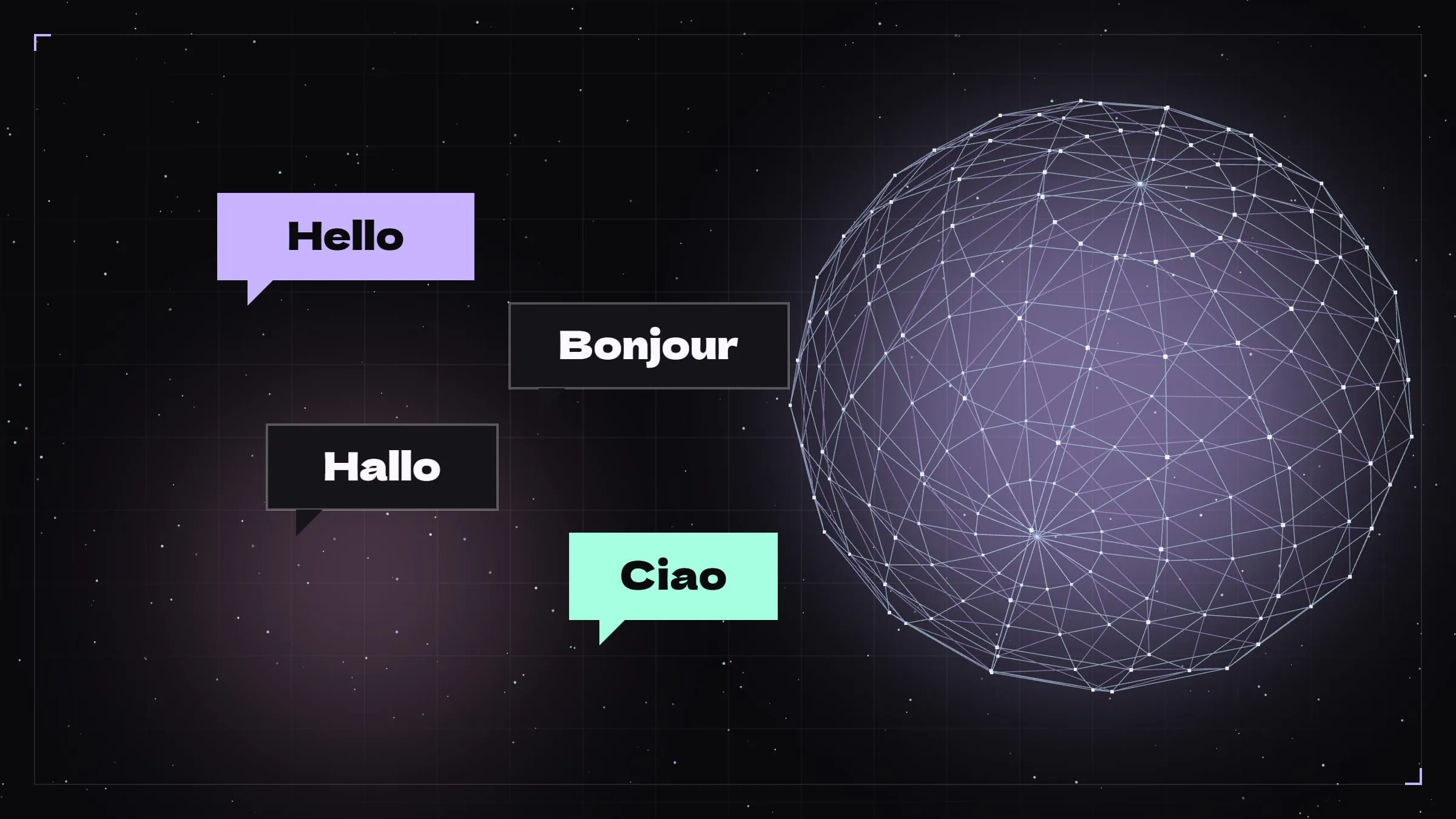
If your customers speak more than one language, your website should too. But a good multilingual site is more than a translation plugin bolted on at the end.
Plan Languages From Day One
Adding languages later usually means rebuilding menus, layouts and URLs. When languages are part of the plan, every page, button and email has a place for each one from the start.
Give Each Language Its Own Address
Every language should live at its own URL, like /de/ or /fr/. Search engines can then show the right version to the right people, and visitors can share a link in their own language.
Translation Is Not Enough
Good copy is adapted, not just translated: prices in the local format, dates the way people write them, and examples that make sense locally. Machine translation is a fine first draft, but a native speaker should always read it.
The Details That Matter
- A clear language switch: one that keeps you on the same page.
- hreflang tags: they tell search engines which pages are translations of each other.
- Room for longer words: German and Dutch can be much longer than English, so layouts need to flex.
- Every string translated: buttons, forms, errors and the small print too.
Want to Reach More Customers?
We build sites that are multilingual from the first line of code. Tell us which languages your customers speak.